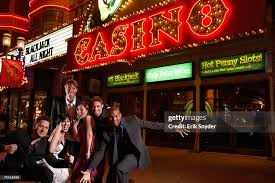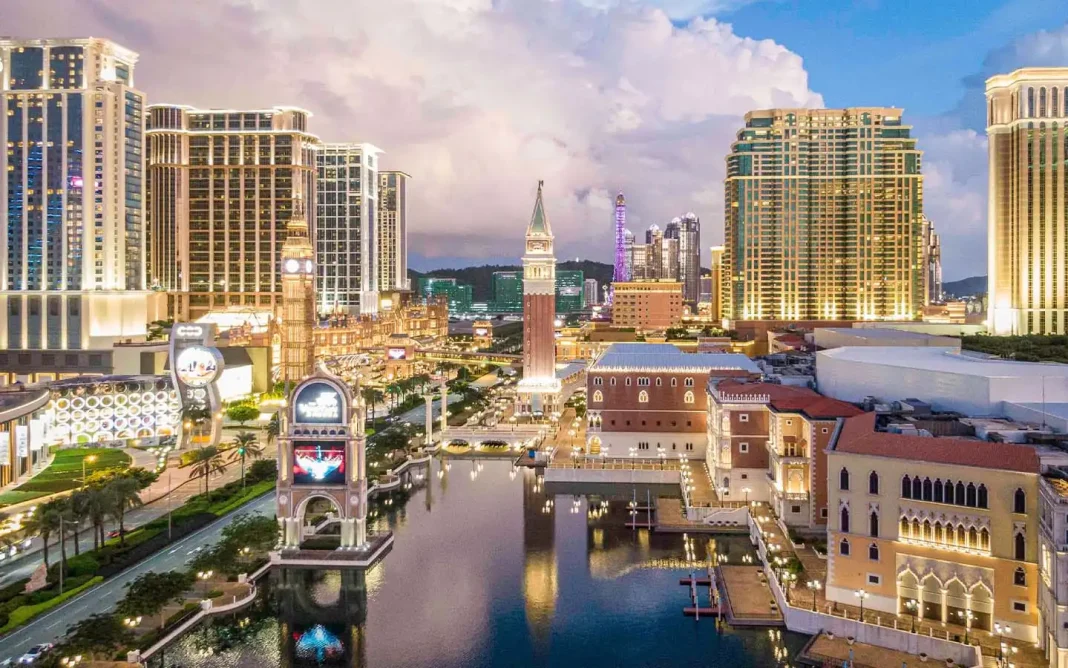
When people search for how casinos affect communities, they often focus on jobs, tourism, or revenue. But one of the most important and least discussed changes happens at a deeper level. It is the shift in how a community understands itself. Identity is not something you can measure easily, yet it shapes how people feel about where they live, how they describe it, and how they imagine its future.
This article brings together real observations, research insights, lived experiences, and community voices to explore how identity evolves when casino presence expands. The change is not sudden. It grows slowly through perception, culture, and shared experience.
When the Story of a Place Begins to Change
Every community carries a story. It may be known for quiet streets, local traditions, or a strong sense of familiarity. But when casinos expand, a new layer is added to that story.
Suddenly, the place is described differently.
It may become known as a destination.
It may appear on travel lists.
It may be associated with entertainment and nightlife.
According to research from the Urban Land Institute, large entertainment developments often reshape how cities and towns are perceived both internally and externally.
This shift in perception matters because it feeds back into how residents see themselves.
One long-time resident shared:
“People used to describe our town as quiet. Now they mention the casino first. It’s strange, but we’re getting used to it.”
Identity begins to stretch, not break.
Pride and Uncertainty Exist Together
As visibility grows, so do mixed emotions.
Some residents feel proud. Their town is no longer overlooked. It attracts visitors, investment, and attention. There is a sense of movement and recognition.
Others feel uncertain.
They may wonder if the original character of the community is fading, or if the new image represents them fully.
A study connected to the Pew Research Center highlights that communities experiencing rapid development often show mixed emotional responses, where pride and concern exist at the same time.
A local voice captured this balance:
“It’s exciting to see the town grow, but sometimes it feels like people see the casino more than they see us.”
This tension is not a conflict. It is part of adaptation.
Tradition Does Not Disappear, It Adjusts
A common fear is that new development replaces tradition. In reality, something more subtle happens.
Traditions continue, but they begin to exist alongside new influences.
Local festivals still take place.
Community gatherings still happen.
Neighborhood connections remain strong.
But the environment around them feels different.
Research from Harvard Kennedy School suggests that communities rarely lose identity entirely. Instead, they integrate new elements into existing cultural frameworks.
In many towns, residents actively protect what matters most.
“We still have our traditions. We just have more happening around them now.”
This creates a layered identity, not a replaced one.
A More Diverse Social Landscape
As casinos grow, they bring new people.
Visitors arrive from different regions.
Workers relocate for new jobs.
Businesses attract new types of customers.
This creates a more diverse social environment.
According to insights from the Brookings Institution, economic hubs often increase cultural interaction by introducing new populations into established communities.
For many residents, this diversity adds richness.
“You meet people you wouldn’t have met before. It changes how you see things.”
But it also requires adjustment. Different lifestyles and expectations can feel unfamiliar at first.
Over time, communities learn to navigate these differences, creating a broader and more inclusive identity.
Identity Becomes an Ongoing Conversation

One of the most important shifts is this:
Identity stops feeling fixed.
Instead of being something defined in the past, it becomes something that is continuously discussed, shaped, and redefined.
This conversation happens in many places:
- Community meetings
- Local businesses
- Family discussions
- Everyday interactions
A resident explained it in a simple way:
“We’re still figuring out what our town is becoming. And that’s okay.”
This process strengthens communities because it involves participation. People are not just experiencing change. They are interpreting it together.
Real Community Voices
Across interviews, forums, and local discussions, similar thoughts appear again and again:
“It’s not the same as before, but it’s still ours.”
“We’ve grown, and we’re still growing.”
“The casino is part of us now, but not all of us.”
“We’re learning how to balance everything.”
These voices show that identity is not lost. It evolves.
What Most Articles Miss
Most discussions about casino expansion focus on clear outcomes:
- Revenue
- Jobs
- Tourism
But identity is shaped by quieter things:
- How people describe their town
- What they feel proud of
- What they want to protect
- How they talk about the future
These elements do not appear in statistics, but they define how a community experiences change.
Final Reflection
Community identity is not something that stays the same forever. It grows, adapts, and responds to new influences.
When casinos expand, they do not erase identity. They become part of it.
The real change happens in how people:
- Interpret their environment
- Balance past and present
- Share perspectives
- Build a shared understanding of what their community represents
In the end, identity is not decided by buildings or businesses.
It is shaped by people.
And as long as people continue to reflect, adapt, and stay connected, the identity of a community remains alive, even as it evolves into something new.