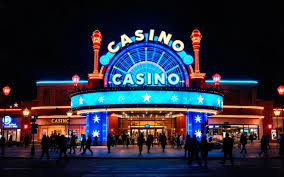
In many small towns, where life usually moves at a calm and steady pace, there comes a moment when a decision appears that feels much larger than anything the community has faced before. A casino project often brings exactly that kind of moment.
These towns are built on long relationships, familiar routines, and a shared sense of identity, so when a proposal promises major change, it naturally creates a mix of hope, uncertainty, and careful reflection. People begin to look at their surroundings not only as they are today, but as they might become in the years ahead.
A casino is not simply a new building. It introduces a different kind of energy into a place, one that can influence how people live, work, and interact over time. For some residents, this feels like an opportunity to grow and move forward.
For others, it raises quiet concerns about losing the simplicity and closeness that define daily life. These two perspectives often exist side by side, shaping a conversation that is both practical and deeply emotional.
The Promise of Economic Growth and Stability
One of the strongest reasons casino projects gain attention in small towns is the promise of economic growth. Such developments often bring jobs, increased tourism, and new streams of revenue that can support local services and infrastructure. For communities that have experienced slow economic activity or limited opportunities, this can feel like a turning point.
Across the United States, studies linked to the American Gaming Association suggest that casino developments can generate thousands of jobs, both directly and indirectly. In some regions, local economies have seen measurable boosts in hospitality, retail, and transportation sectors after casino openings.
For example, in towns that introduced casinos over the past decade, local business owners often reported increased foot traffic. A restaurant owner in a rural gaming town once shared:
“Before the casino, weekends were quiet. Now we have visitors almost every day, and it’s helped us stay open year-round.”
This kind of growth can allow families to remain in their hometowns rather than relocating for work. It can also support public services such as schools, roads, and healthcare through increased tax revenue. For many residents, this represents not just financial improvement, but a sense of renewed possibility.
Small Town Transformations
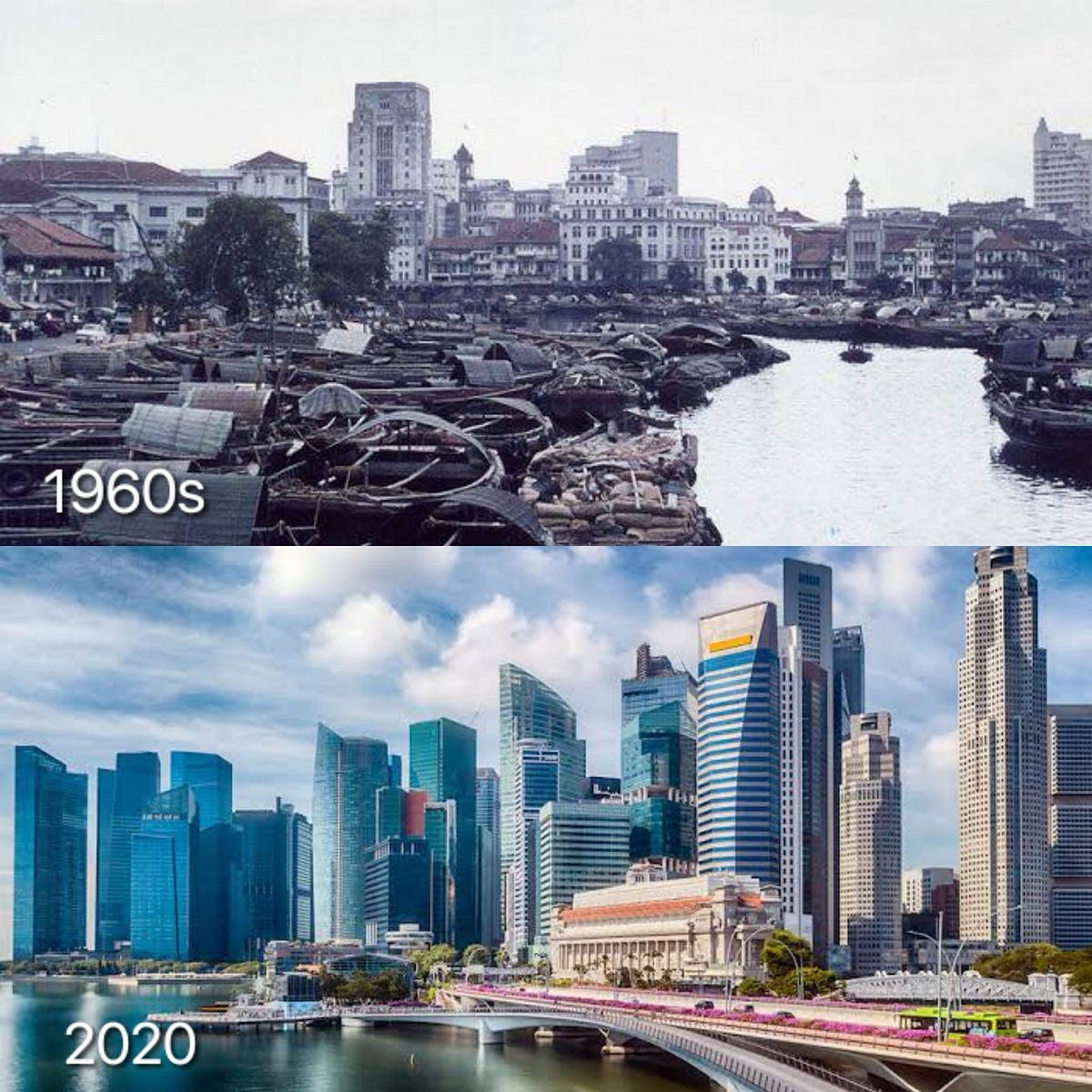
In places like small towns in Oklahoma and Pennsylvania, casino developments have led to increased tourism and employment. Some communities reported unemployment drops of several percentage points after opening gaming facilities. However, these changes often came with adjustments in lifestyle and infrastructure demands.
Concerns About Change and Community Values
While the promise of growth is appealing, it is rarely accepted without questions. Small towns often place great value on their quiet environment, strong social ties, and shared traditions. A casino can introduce a faster pace of life, bringing more traffic, more visitors, and changes to daily routines.
Residents often worry about how these shifts might affect their sense of safety and belonging. Concerns about noise, congestion, and the overall character of the town are common. In community discussions, these concerns are not always expressed as opposition, but as a desire to protect what already exists.
A long-time resident in a Midwestern town once said:
“We’re not against growth. We just don’t want to lose what makes this place feel like home.”
There are also broader social concerns. Research in Urban Studies shows that rapid development can sometimes strain local infrastructure and public services if not carefully managed. Additionally, conversations around gambling often include discussions about responsible use and potential social impacts.
These concerns do not cancel out the benefits, but they add complexity to the decision.
Balancing Opportunity with Responsibility
As discussions evolve, communities often find themselves balancing opportunity with responsibility. This is where thoughtful planning becomes essential. Town councils, planning committees, and local organizations play a key role in shaping how a project might move forward.
Some towns negotiate agreements that include:
- Local hiring commitments
- Infrastructure improvements
- Revenue sharing for community programs
- Regulations on location and size
This approach allows development to take place while still protecting the town’s identity.
A city planner involved in a rural casino project explained:
“The goal isn’t just to build something new. It’s to make sure it fits the community that’s already there.”
In some cases, communities decide not to move forward at all, choosing preservation over expansion. In others, they move ahead with clear boundaries. There is no universal answer, because each town has its own priorities and values.
The Emotional Side of the Decision
Beyond economics and planning, there is an emotional layer that shapes these decisions. A casino proposal can change how people feel about their town and their future within it.
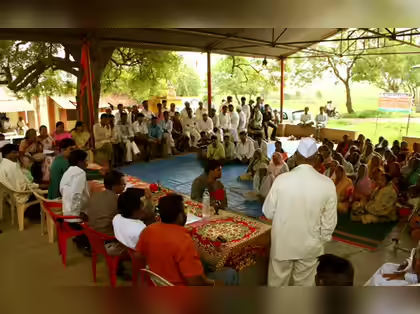
Some residents feel excitement about new opportunities, while others feel uncertainty about change. These emotions are not opposing forces, but part of a shared experience. Community meetings often become spaces where people express hopes, fears, and expectations openly.
A resident described one such meeting:
“It wasn’t just about the casino. It was about who we are and what we want this town to become.”
Interestingly, these conversations can strengthen community bonds. Even when people disagree, the process of listening and discussing creates a deeper understanding among residents.
What the Data Suggests
Statistics provide helpful context, though they do not tell the full story.
- Some studies indicate that casino projects can increase local employment by 5 to 10 percent in small regions
- Tourism-related revenue can rise significantly, especially in previously low-traffic areas
- However, infrastructure costs and public service demands may also increase alongside growth
A report discussed within National Bureau of Economic Research noted that the long-term impact of casinos varies widely depending on location, management, and community planning.
This variation explains why decisions are rarely simple.
The Long-Term Perspective
One of the most important aspects of this process is time. These decisions are not just about immediate benefits or concerns, but about the long-term direction of the town.
Residents often ask:
- What will this place feel like in ten years?
- Will future generations benefit from this choice?
- Does this align with who we are as a community?
These questions move the conversation beyond short-term thinking and into a deeper reflection about identity and purpose.
Final Thought
There is a simple and thoughtful truth behind all of this.
When small towns face big decisions like casino projects, they are not only choosing between development and tradition. They are shaping their future in a way that reflects their values, priorities, and shared vision.
Some will choose growth. Others will choose preservation. Many will find a path somewhere in between.
But in every case, what matters most is not just the outcome, but the process.
Because when people take the time to listen, reflect, and understand each other, they create something stronger than any single project.
They strengthen the community itself.
And in the end, that sense of connection is what allows a town to move forward with confidence, no matter which path it chooses.