When people search for how gambling affects communities, they usually expect clear answers like “more jobs” or “more risk.” But the reality is much more layered. The shift is not sudden. It does not arrive like a loud event. Instead, it grows quietly through routines, conversations, and small daily choices. Over time, these small shifts begin to shape how a community feels, moves, and understands itself.
This article goes deeper than most discussions by combining real-world examples, research insights, community voices, and practical observations. It explores not just what changes, but how those changes feel from the inside.
A New Rhythm Begins to Form
One of the earliest changes communities notice is a shift in daily rhythm. This is not always dramatic. It starts with small adjustments.
Evenings become more active. Weekends feel different. Places that once closed early may stay open longer. Roads that were quiet late at night begin to carry more traffic.
A study from the American Gaming Association found that casino developments often extend local activity cycles, especially in smaller towns. In some areas, late-night foot traffic increased by over 30 percent within the first year of casino operations.
At first, this may feel exciting. There is movement. There is energy. But over time, the community begins to adapt to this new rhythm. What once felt unusual slowly becomes normal.
One resident in a small Midwestern town shared:
“At first, it felt like something big had arrived. Now it just feels like part of the background. The town is a little more awake than it used to be.”
This is how rhythm changes. Not through force, but through repetition.
Social Life Becomes More Layered

As gambling becomes part of the environment, conversations begin to shift.
People talk about experiences, observations, and opinions. Some speak with excitement. Others speak with caution. These differences do not always divide communities, but they do add complexity.
Research connected to National Council on Problem Gambling suggests that communities with new gambling access often see increased discussion around money habits, entertainment choices, and personal responsibility.
This creates a new kind of social dynamic.
A café owner in a small tourist town explained it simply:
“Before, people talked about work and family. Now, you hear stories about wins, losses, and weekends at the casino. It’s just part of conversation now.”
Interestingly, this shift can strengthen some connections while creating distance in others. People find new shared experiences, but they may also develop different perspectives on risk and leisure.
The social fabric does not break. It stretches.
Economic Growth Brings Visible Change
One of the most discussed impacts is economic growth, and here the data is more concrete.
According to reports from Bureau of Economic Analysis, casino developments in smaller regions often lead to:
- Increased local employment
- Growth in hospitality and service sectors
- Higher visitor spending
In some cases, towns have seen tourism increase by 20 to 40 percent within a few years of opening a casino resort.
But growth is not always evenly distributed.
Some businesses benefit greatly, especially hotels, restaurants, and retail shops near the casino. Others may see little change or even face new competition.
A local shop owner shared:
“We get more visitors, yes. But they don’t always leave the casino area. So it helps some of us more than others.”
This shows an important truth. Economic change is real, but it is also uneven.
Personal Habits Quietly Evolve
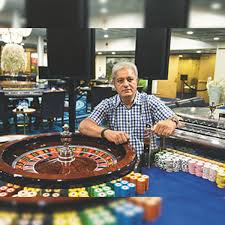
The most subtle changes often happen at a personal level.
People begin to adjust how they spend time and money. These adjustments are rarely dramatic. They happen through repetition.
A person might visit occasionally, then regularly. Another might simply change how they view entertainment, seeing gambling as one option among many.
Studies linked to Harvard Medical School Division on Addiction suggest that repeated exposure to gambling environments can influence decision-making patterns, even for casual participants.
This does not mean everyone develops problems. It simply means perception shifts.
One online comment from a community forum captured this well:
“I don’t even play much, but I think about it more than I used to. It just becomes part of what’s around you.”
That is the key idea. Presence shapes perception.
The Emotional Landscape of a Changing Community
Beyond numbers and behavior, there is something deeper. A change in how a place feels.
Some people feel hopeful. They see growth, opportunity, and new life.
Others feel uncertain. They notice differences in pace, tone, and priorities.
A community survey conducted in parts of Ontario found that:
- 48 percent of residents viewed casinos as positive for economic growth
- 27 percent expressed concerns about social impact
- The rest remained neutral or unsure
This mix of emotion is natural.
As one long-time resident said:
“It’s not better or worse. It’s just different. And we’re still figuring out what that difference means.”
What Most Articles Miss
Most discussions focus on clear outcomes like jobs or risks. But the deeper truth is this:
The real shift is not in one big change.
It is in many small ones happening at once.
- A slightly busier evening
- A new topic in conversation
- A different weekend routine
- A new sense of movement in town
Each of these feels small. Together, they reshape the experience of community life.
Final Reflection
The arrival of gambling does not replace a community’s identity. It adds a new layer to it.
Some parts grow. Some parts adjust. Some parts stay exactly the same.
But everything becomes slightly more complex.
If you step back and look carefully, you begin to see that the real transformation is not loud or sudden. It is quiet, steady, and built from everyday moments.
And that is why understanding this shift matters. Because it is not just about gambling. It is about how environments shape people, and how people, in turn, reshape their communities over time.